
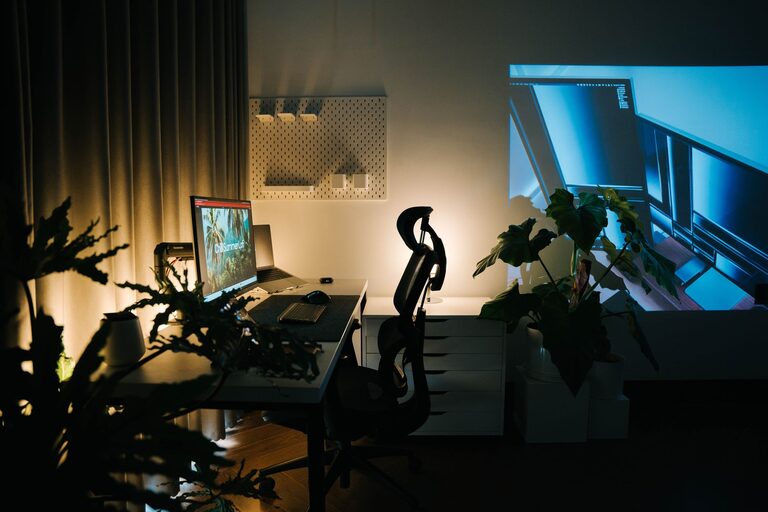
Creating a home office that is both cozy and functional is essential for many people working or studying from home. A well-designed workspace can boost productivity, improve focus, and even reduce stress. Whether you have a dedicated room or a small corner, these practical tips will help you build a comfortable and efficient home office environment.
Choose the Right Location
Selecting the ideal spot in your home is the first step in creating a functional office.
– Consider natural light: A space near a window can provide plenty of natural light, which helps reduce eye strain and improves mood.
– Minimize distractions: Choose a quiet area away from household noise and busy traffic paths.
– Think about space: Even a small nook can work if it’s well-organized and personalized.
Invest in Ergonomic Furniture
Comfort is key when you spend hours at your desk.
– Ergonomic chair: Look for a chair with adjustable height, good lumbar support, and comfortable padding.
– Appropriate desk height: Your desk should allow your arms to bend at about 90 degrees when typing.
– Consider standing desks: Alternating between sitting and standing can improve circulation and reduce fatigue.
Optimize Lighting
Good lighting is crucial to prevent eyestrain and maintain alertness.
– Layer your lighting: Use a combination of ambient light (ceiling fixtures), task light (desk lamps), and accent light for a balanced setup.
– Adjustable lamps: A desk lamp with adjustable brightness and direction helps focus light where you need it.
– Avoid glare: Position screens and lights to minimize reflections.
Organize and Declutter
A tidy space helps you think clearly and work more efficiently.
– Use storage solutions: Shelves, filing cabinets, and drawer organizers keep supplies in order.
– Declutter regularly: Remove unnecessary papers and items to maintain a clean desk.
– Cable management: Use clips or sleeves to keep cords neat and out of sight.
Personalize Your Space
Adding personal touches can make your office feel welcoming and motivate you.
– Decorate with plants: Small indoor plants improve air quality and add a touch of nature.
– Incorporate colors you love: Use paint, accessories, or artwork in colors that inspire and calm you.
– Display meaningful items: Photos, inspirational quotes, or souvenirs can create a positive atmosphere.
Enhance Technology Setup
Ensure your tech tools support your efficiency.
– Use a reliable internet connection: Essential for virtual meetings and research.
– Invest in quality peripherals: Comfortable keyboards, mice, and headphones help reduce fatigue.
– Keep gadgets organized: Docking stations or stands prevent clutter and help keep cables managed.
Create Zones Within Your Space
If your office is large or multifunctional, zoning helps separate tasks.
– Work zone: Your desk and computer area.
– Reference zone: Shelves or cabinets with books, files, or materials.
– Relaxation zone: A small area with a comfy chair for breaks or reading.
Set Boundaries and Routine
Making your office a dedicated work area promotes discipline.
– Define work hours: Stick to a schedule to balance work and personal life.
– Signal boundaries: Use a door, curtain, or divider to separate your office space from the rest of your home.
– Avoid multitasking spaces: Try not to combine your office with areas meant for relaxation or entertainment.
Maintain Good Air Quality and Comfort
A pleasant environment supports well-being and productivity.
– Ventilation: Open windows when possible or use fans and air purifiers.
– Temperature control: Adjust heating or cooling to keep your space comfortable.
– Add cozy elements: Soft rugs, cushions, or blankets can enhance comfort.
—
Designing a cozy and functional home office space doesn’t have to be complicated. With thoughtful planning and small improvements, you can create an environment that both supports your work and feels inviting. Whether you’re tackling daily tasks or attending virtual meetings, your personalized workspace can be a key ingredient to success and satisfaction.